Vietnam | The journey that has it all
Good morning Vietnam! One of the most fascinating destinations in Asia, with so much to see and experience, an extraordinary history and such a wide range of experiences in one country, where every place has a different travel vibe.
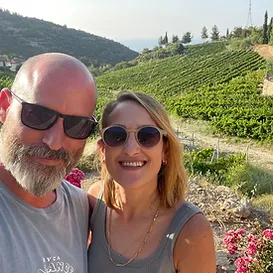
For us it’s a must-visit for every kind of traveler: solo, couples and families. We traveled for a month as a couple, and it’s a great destination for families with kids: comfortable and safe to travel, a rich history, amazing culture and food, and above all, loads to see and do for every age.
Hanoi:
A city that first throws you into a (good) kind of shock: wow! What is going on here? A huge city, hundreds of thousands of scooters moving like a swarm of bees, honking, street food, crowds of people and a chaos so orderly it’s fascinating.
There’s a well-known rule for crossing the street in Hanoi: step by step, straight into the traffic.
We chose to stay in the Old Quarter to experience as much as possible, close to all the main sights, interesting architecture and history. As a rule, we usually look for a place in the old center of every city, as long as it isn’t super touristy. It’s always worth checking. We stayed at Scent Premium Hotel and warmly recommend it: close to everything, clean (very important after wandering a city like this all day), with great, friendly service.
We spent about a week in Hanoi, and there’s so much to see you could stay even longer. Here are some of our highlights:
Ho Chi Minh Mausoleum – a must. When we arrived, we became the attraction: a blonde woman and a tall guy, not something Vietnamese people see every day… At the mausoleum you can even see Ho Chi Minh’s embalmed body. For history lovers, Vietnam’s history is fascinating, and it’s worth reading before your trip about this special people, its rich past of wars, its fast recovery and the key figures who led the Vietnamese people to where they are today. History is a big part of who they are today, and knowing it adds another meaningful layer to the trip and to the places and people you meet along the way.
Hoan Kiem Lake – a huge, stunning lake. Just wander around it during the day, watch dozens of locals quietly doing their morning exercises, and drink strong, sweet Vietnamese coffee (more on that below).
Museums: there’s a great variety in the city, so choose based on your interests. We visited the War Museum (both in Hanoi and later in Ho Chi Minh City, formerly Saigon). A very powerful experience, and kids will be thrilled by the planes and tanks in the museum courtyard.
The Old Quarter and Train Street: the beauty of simplicity. Walk the streets of the Old Quarter and pop into the shops of different makers. The area is organized so that each street is dedicated to one trade: coffee, clothes and shoes and whatnot… Heads up: if a sweet Vietnamese lady comes over and puts her double baskets on your shoulders for a photo, don’t be surprised when she asks for money. On weekends there’s a great night market, and Dong Xuan Market is worth a visit too.
For kids: Thang Long Water Puppet Theatre, the Museum of Ethnology with exhibits and kids’ activities, and the zoo. Each of these works for curious kids too.
A two-day trip to Ha Long Bay: a must in our book, a true natural wonder with 3,000 floating islands. If you’ve come all the way to Vietnam, it would be a real shame to miss it… *Our tip: pay close attention to the kind of tour you book. There are loads of agencies, so check where you’ll sleep, what you’ll eat along the way, what’s included, and make sure the visibility is good, it can happen that you arrive and everything is covered in fog. You can usually leave your luggage at your hotel and go with a small bag.
A three-night trip to Sapa – stunning and a must 🙂 (more below)
Good to know: in Vietnam, apart from wandering the cities on your own, almost every trip to a tourist spot is booked through a travel agency. When you get there you’ll quickly see there are endless agencies, all basically offering the same thing (like other destinations in Asia). Our advice: look for a relatively well-known agency, check with your hotel for recommendations, and don’t necessarily go for the cheapest.
Sapa:
Sure, it’s easy to call every destination a must, but… Sapa really is a must 🙂 It’s one of the most spectacular places we’ve ever visited (anywhere in the world). A magical town in northern Vietnam, on a mountain ridge covered with endless rice terraces and dozens of small villages that offer an authentic, moving glimpse into a world that lives decades back in time.
We booked the trip on the recommendation of our hotel, so we also left our suitcases there and went with a small bag. It’s worth locking in the dates as soon as you arrive in Hanoi (or in advance, though we like flexibility and booking as we go). The main reason: you’ll want to spend the night train to Sapa in an upgraded sleeper! As it happened we didn’t get one, and spent the night in a pretty crummy sleeper car next to a few Vietnamese soldiers, but hey, it’s all part of the experience.
The night train gets you to Sapa in the morning. You drink a strong Vietnamese coffee, pop into Bac Ha Market to buy North Face jackets and bags (at least that’s what the labels say..) and start the trek.
We chose a trek with one night sleeping over at a local family’s home, a unique experience that still keeps its non-touristy authenticity, a direct encounter with local hosts. We started down through the rice fields, accompanied by dozens of local women, a whole day of walking to a small house where we spent the night. We cooked dinner with our hosts and helped with the daily farm chores, a real experience. The next day you continue the trek and head back to the hotel for another night in Sapa town. We recommend a foot massage after the hike at one of the pampering spots, and then back to Hanoi. We could honestly write pages about the Sapa experience, but we’ll leave it to you to discover for yourselves.
A pampering hotel, because we deserve it after two days of trekking and sleeping out: Sapa Horizon Hotel
Back to Hanoi by train or by upgraded bus (also recommended).
Hanoi – Hue – Da Nang – Hoi An
To get between cities we chose sleeper buses, but of course domestic flights are a convenient option if you have less time. So we left Hanoi at night toward Hue, sleeping most of the ride. In Hue we chose to keep going rather than stop, but it’s definitely another place worth visiting.
You can fly to Da Nang from Hanoi, but on our route the main goal was getting to Hoi An.
Hoi An
Hoi An is another amazing town we fell in love with, and since we leave room for spontaneous planning on our trips, we chose to “get stuck” here for 10 days of our month.
Hoi An is an ancient town, influenced by Chinese times: low houses, tiled roofs, small, clean alleys.
Every place in Vietnam truly has its own magic, and here there’s a different energy in the air. The town is full of restaurants and markets, and is famous for its tailors and shoemakers who will make you a suit or any piece of clothing you want to a very high standard, measuring you with a tape measure just like in the old days. Look for Vyvy the seamstress 🙂
We stayed at Anio Boutique Hotel Hoian: an amazing, pampering place, relatively cheap, in a great location, fairly new and of course clean. The hotel has bicycles for guests (very important), and all you have to do is grab a bike, ride to the stunning beach, eat fresh pineapple there, wander the alleys and markets, and drink lots of cold beer.
Hoi An is full of “attractions”, depending a lot on your energy and interests. There are dozens of small islands you can reach on a locals’ raft, and dozens of workshops around town: boat makers, hat makers, coffee and more. Everything is local and authentic, and it’s really fascinating and thought-provoking to watch the simple lives of these people, who wake up every morning to weave baskets out of straw, next to our fast-paced digital lives.
In the evening the town buzzes in its lovely way, with plenty of restaurants, bars and pleasant touristy nightlife along the riverfront.
We’ll say more about Vietnam’s great food below, but Hoi An in particular is varied and very high quality, from fresh street food to restaurants. The foodies among us will really celebrate here: a green, fresh, so varied cuisine, and many of the recipes we ate there are still with us today. (Talk to us in spring rolls!)
Nha Trang
Reluctantly we left Hoi An, promising ourselves we’d come back with the kids, and continued toward Nha Trang. It’s a very well-known beach town. From here you can go on diving safaris, tour the city, stay at luxury hotels and more, but of course we headed for the most famous attraction in town, Vinpearl Land: an amusement park, a water park and the biggest aquarium in Vietnam, connected by the highest, longest cable car in Asia. A huge amusement park and a crazy water world!!
An amazing, truly extraordinary attraction for the whole family. We recommend staying overnight so you have time to enjoy it all. We spent two lovely days there and slept one night at Vinpearl Luxury Nha Trang
Da Lat
We continued by minibus toward Da Lat, also known as “the Switzerland of Vietnam”. At first we didn’t get why, but when we arrived it made sense: it’s the cool climate that lasts most of the year, a lovely break from the humidity, heat and pollution (of some of the big cities).
Da Lat is yet another kind of atmosphere: dozens of hotels and guesthouses, with wild nature all around the city, which sits at altitude.
Here we chose a relatively simple place to stay. Our main goal was to explore during the day and come back to rest our heads somewhere clean and pleasant. A highly recommended spot: Feliz Dalat Homestay.
One of the famous attractions in Da Lat (and beyond) is the Easy Riders: motorbike tours through nature and small villages with no other access, with commentary and guidance from local riders who are very interesting characters 🙂 An awesome experience (make sure to book with a well-known company).
Let’s start from the end: for anyone not used to riding motorbikes, like us, we were glad we only did one day. After a whole day on the back of a motorbike, off-road, it was amazing but also a bit rough on the backside…
We were taken by two lovely older guides, one a former soldier in the South Vietnamese army and the other a Viet Cong fighter from the North. For anyone who knows the history of the Vietnam War, they were sworn enemies, and today they guide together. You start early in the morning and ride through jungles, local villages, animals, rice fields, mushroom farms, silk farms and the processing factory, with stories about their lives and the lives of the locals. A truly recommended experience, possible for the whole family too, depending on age, of course.
Ho Chi Minh City
We continued in a big private taxi to Ho Chi Minh City (you can also fly, of course), formerly Saigon, which got its new name after the Vietnam War.
When you arrive in Ho Chi Minh City you immediately see the differences between north and south: suddenly everything is more Western, towers, skyscrapers, a different kind of order, and above all the people, more welcoming and warm (that was our personal experience, of course).
In Ho Chi Minh City we chose to stay in the center. For those who want to be close to everything but still have a little quiet from the bustle, we recommend the hotel we stayed at: Skycure Serviced Apartments. Ho Chi Minh City has lots of serviced apartments with reception, room service and more. The hotel is close to all the restaurants, the old town, the market, museums, bakeries and everything you need.
What to do in Ho Chi Minh City and around:
– A walking tour of the city: Notre-Dame Cathedral, the Reunification Palace, City Hall and the Central Post Office
– Markets: the city has plenty of markets of every kind. One of the recommended ones is Ben Thanh Market. On city tours you’ll find many more, including gold trading markets like Binh Tay Market. We were in shock at the prices too, cheap and genuine, but of course check carefully.
– A day trip to the Cu Chi Tunnels and the War Museum: fascinating, and one of our strongest memories of Vietnam. Again, you book through a local agency, a relatively short drive out of the city. Local guides who are former fighters take you on a tour of the Cu Chi area. For those less familiar with the history, this area was used by Viet Cong fighters (North Vietnam) to infiltrate the south, with a vast network of tunnels and traps you can go into. Afterwards you continue to the War Museum in the city. We admit it was a fairly heavy day, but in our opinion an important one and worth it.
– A three-day trip to the Mekong Delta: another lovely trip we recommend not missing. A stunningly beautiful area, including a homestay with locals, an awesome experience for the whole family. Here too, you book through a local agency.
Phu Quoc Island:
People usually add the Thai islands before or after a trip to Vietnam. We all want to rest on the beach a bit, eat and drink well, sleep, get massages, shop…
Many don’t know about the option of amazing Phu Quoc island: white beaches with clear water, pampering resorts, great food, just an hour’s flight from Ho Chi Minh City, without the tourist crowds of southern Thailand.
A highly recommended hotel on the island, with beach bungalows, especially pampering, close to town and not expensive: Ocean Bay Phu Quoc Resort and Spa. Here, of course, similar to Thailand (also because the island is so close to it), it’s best to travel in the dry season, November to May.
Food, glorious food
Vietnamese cuisine has been one of our favorites since that trip, because just like the country itself, it has everything. It’s fresh, green, varied and takes the Asian food we know in a new direction. A few food things that are good to know:
Coffee! Vietnam is the world’s second-largest coffee producer. Vietnamese coffee is a strong roast, brewed a bit like filter coffee. When you order, you’ll get a glass topped with a little aluminum cup with a lid, and the coffee drips through slowly. Vietnamese people add sweetened condensed milk. In short: different from what we’re used to, but excellent.
PHO soup: Vietnam’s national dish, in all kinds of versions – a must-try.
Banana cake – Bánh chuối nướng, a perfect combination of coconut cream, white bread and local bananas.
Greens – unlike Thailand or other countries in Asia, Vietnam is rich in vegetables of all kinds, the seasoning of most dishes is more delicate, and almost every dish includes greens like morning glory. Rich and very healthy.
Rice paper – one of the main ingredients, very tasty and healthy. In the villages you can even try making it.
Baguettes and bakeries – French rule over the years had a big influence on Vietnamese culture, and you can find bakeries full of pastries almost everywhere. One of the best flavors: the street stalls on almost every corner selling fresh, crispy baguettes with butter, tomato and an omelet 🙂
Getting around and money:
Vietnamese people are very welcoming and always happy to help. The language is written in letters similar to English, so it’s easy to find your way, but most people don’t speak English, so Google Maps is always there to help.
Money: we got around with relatively little cash. There are plenty of ATMs, and we withdrew as needed.
Visa – note that you need a visa. It’s a quick online process, no need to go to an embassy.
Transport and getting around: like most countries in Asia, there are lots of options, from domestic flights (if you’re short on time or worried about long drives) to buses of every level, private taxis, bicycles, cyclos and more.
Enjoy! How lucky you are 🙂
Where did we stay in Vietnam?
All the places we mentioned along the way, gathered here so you don't have to scroll back up 🙂
Scent Premium Hotel
We chose to stay in the Old Quarter to experience as much as possible, close to all the main sights, interesting architecture and history. As a rule, we usually look for a place in the old center…
See the place →Sapa Horizon Hotel
A pampering hotel, because we deserve it after two days of trekking and sleeping out
See the place →Anio Boutique Hotel Hoian
An amazing, pampering place, relatively cheap, in a great location, fairly new and of course clean. The hotel has bicycles for guests (very important), and all you have to do is grab a bike,…
See the place →Vinpearl Luxury Nha Trang
An amazing, truly extraordinary attraction for the whole family. We recommend staying overnight so you have time to enjoy it all. We spent two lovely days there and slept one night at this hotel
See the place →Feliz Dalat Homestay
Here we chose a relatively simple place to stay. Our main goal was to explore during the day and come back to rest our heads somewhere clean and pleasant. Highly recommended.
See the place →Skycure Serviced Apartments
In Ho Chi Minh City we chose to stay in the center. For those who want to be close to everything but still have a little quiet, we recommend the hotel we stayed at. The city has lots of serviced apartments…
See the place →Ocean Bay Phu Quoc Resort and Spa
A highly recommended hotel on the island, with beach bungalows, especially pampering, close to town and not expensive. Like Thailand, it's best to travel in the dry season, November–…
See the place →Looking for something else in Vietnam? Search hotels on Booking
Full disclosure 🙂 Some of the links here are affiliate links. If you book through them we earn a small commission, at no extra cost to you, and it helps us keep writing and sharing.
Before you start planning
When to go to Vietnam? | Our seasons calendar
Vietnam doesn't have one season: each region has its own weather, and there's always somewhere good to travel. Pick a region and tap a month.
All the months in words
When is the best time to visit Vietnam?
Recommended months for Vietnam: in the north, October to April; in the center, February to August; in the south, November to April.
Is it worth visiting Vietnam in July–August?
In the north: July is less suitable (33°), August is less suitable (33°). Peak rains, with a risk of floods and landslides in Sapa and the mountains. In the center: July is recommended (34°), August is recommended (34°). Traveling in summer? This is the region! The driest part of Vietnam in summer. In the south: July is possible (32°), August is possible (32°). Rainy season, but mornings are usually dry.
North · Hanoi & Sapa
- January (recommended, 20° by day, 31 mm rain): cool and dry. Bring a sweater for the evenings, and Sapa is really cold.
- February (recommended, 22° by day, 23 mm rain): dry and pleasant. Usually also the month of Tết, the Vietnamese New Year, which is an experience in itself.
- March (recommended, 24° by day, 51 mm rain): pleasant spring, perfect for Ha Long Bay and the mountains.
- April (recommended, 28° by day, 94 mm rain): warm and not yet rainy. In our opinion one of the best months in the north.
- May (possible, 32° by day, 180 mm rain): getting hot and humid, with more showers.
- June (possible, 34° by day, 203 mm rain): very hot and humid. Doable, but plan early mornings.
- July (less suitable, 33° by day, 262 mm rain): peak rains, with a risk of floods and landslides in Sapa and the mountains.
- August (less suitable, 33° by day, 269 mm rain): the rainiest month in the north. In summer, head down to central Vietnam instead.
- September (possible, 32° by day, 150 mm rain): the rains ease toward the end of the month.
- October (recommended, 30° by day, 89 mm rain): one of the most beautiful months: dry, pleasant, and the rice fields turn golden.
- November (recommended, 27° by day, 51 mm rain): dry and pleasant, great for trekking.
- December (recommended, 22° by day, 23 mm rain): cool and dry.
Center · Hoi An & Da Nang
- January (possible, 25° by day, 85 mm rain): relatively cool, and still a little rainy.
- February (recommended, 26° by day, 25 mm rain): the good season begins in the center.
- March (recommended, 28° by day, 20 mm rain): dry and pleasant, the driest month in the center.
- April (recommended, 31° by day, 35 mm rain): hot, dry and perfect for beaches.
- May (recommended, 33° by day, 85 mm rain): hot, and the sea is great.
- June (recommended, 35° by day, 90 mm rain): very hot but dry. Our tip: head out early and rest at midday.
- July (recommended, 34° by day, 85 mm rain): traveling in summer? This is the region! The driest part of Vietnam in summer.
- August (recommended, 34° by day, 115 mm rain): still relatively dry. Our pick for August.
- September (possible, 32° by day, 310 mm rain): the rainy season begins.
- October (less suitable, 29° by day, 650 mm rain): peak rains: floods in Hoi An, and sometimes typhoons.
- November (less suitable, 27° by day, 430 mm rain): very rainy, with a risk of floods.
- December (possible, 25° by day, 215 mm rain): still rainy, improving toward the end of the month.
South · Ho Chi Minh City & the Delta
- January (recommended, 32° by day, 15 mm rain): dry and sunny, a great season.
- February (recommended, 33° by day, 5 mm rain): the driest month.
- March (recommended, 34° by day, 10 mm rain): dry and hot.
- April (recommended, 35° by day, 50 mm rain): the hottest month. Fine if you're used to the heat...
- May (possible, 34° by day, 220 mm rain): the rains begin, mostly short afternoon showers.
- June (possible, 33° by day, 310 mm rain): rainy, but usually in short bursts.
- July (possible, 32° by day, 295 mm rain): rainy season. Mornings are usually dry.
- August (possible, 32° by day, 270 mm rain): rainy season.
- September (less suitable, 32° by day, 325 mm rain): the rainiest month in the south.
- October (possible, 32° by day, 265 mm rain): still rainy.
- November (recommended, 32° by day, 115 mm rain): the rains end, and a good season begins.
- December (recommended, 31° by day, 50 mm rain): dry and pleasant.